
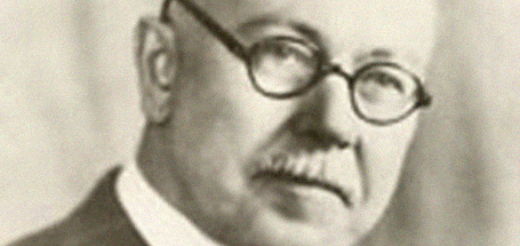
In 1923, Claude C. Hopkins wrote Scientific Advertising, a book containing the first-ever description of split testing, coupon-based customer tracking and customer loyalty. David Ogilvy wrote, “Nobody should be allowed to have anything to do with advertising until they have read this book seven times.” Although I’ve only read Scientific Advertising three times (sorry to disappoint you, Mr. Ogilvy), it has still had a lasting impact on how I do my job at Envision Works every day.
For the purposes of this blog, we’ll be discussing Mr. Hopkins teachings as they apply to writing, testing and sending emails.
Think of all the emails you get every day. Most of them, you don’t even read; you mass click and delete. What is it about the ones you actually read? Was it the subject line that got your attention? The sender? Was it something you were already interested in? Or something that caught your eye out of the blue? Whatever it was, you should take note, because whoever wrote that email did something very, very right.
Getting the strategy and message right, then wording it in the most effective way, is just as important in emails as it is in a glossy print ad or a TV commercial. The example used in Scientific Advertising is a magazine publisher. Imagine the millions of letters they (still!) send out every year to sell magazine subscriptions. That publisher doesn’t just write a letter and send it out in a mass mailing; they may write dozens of different letters and send out tests to groups of consumers. After that somewhat laborious process, whichever letter has yielded the best results is the letter used for the mass mailing.
As the book says, “Whenever possible, letters should be tested. Where that is not possible, they should be based on knowledge gained by tests.”
Your email is your front-line salesperson. And like an experienced sales professional, the writer of your email needs to understand exactly what will get a prospect interested, then provide exactly the right follow-up information once the prospect decides to read further. Finally, for prospects that read the whole story, your email needs to do something to get action – or, call-to-action, as we say today.
Whether that action is placing an order, signing up for a newsletter or downloading a white paper, you need to strike while the iron is hot. And your iron will always attract more heat if you take the time and carefully test your messaging.
In other words, be like Claude.